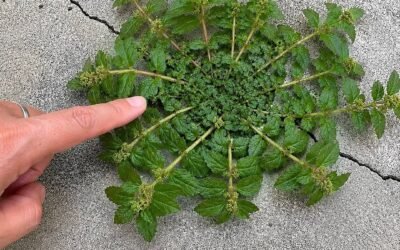
A Scientific Look at Oregano's Role in Supporting Wellness
Oregano is much more than a flavorful herb sprinkled on pizza and pasta. For centuries, it has been used in traditional medicine across the Mediterranean and other parts of the world. Today, scientists continue to study oregano for its rich concentration of antioxidants and naturally occurring plant compounds that may support overall health.
While oregano is not a cure or treatment for disease, research suggests that incorporating this herb into a balanced diet may offer several wellness benefits.
Here's what current science says about oregano.
What Makes Oregano So Nutritious?
Oregano is packed with beneficial plant compounds, including:
Antioxidants
Polyphenols
Flavonoids
Vitamin K
Small amounts of vitamin C and vitamin A
Calcium
Iron
Potassium
Manganese
Its essential oils contain naturally occurring compounds such as carvacrol and thymol, which have been widely studied for their biological activity.
1. Rich in Antioxidants
One of oregano's greatest strengths is its impressive antioxidant content.
Antioxidants help protect cells from oxidative stress caused by free radicals. Over time, excessive oxidative stress has been linked to aging and various chronic diseases.
Adding antioxidant-rich herbs like oregano to meals is one simple way to increase your intake of beneficial plant compounds.
2. May Help Support a Healthy Immune System
Oregano contains plant compounds that have demonstrated antimicrobial activity in laboratory studies.
Although eating oregano won't prevent infections, using herbs rich in antioxidants may help support normal immune function when combined with healthy habits such as regular exercise, adequate sleep, and a balanced diet.
3. Supports Digestive Health
Traditionally, oregano has been used to promote healthy digestion.
Some research suggests that certain compounds in oregano may help support digestive function and contribute to a healthy balance of gut microorganisms. However, more human studies are needed to confirm these effects.
Using oregano in cooking is a flavorful way to include more herbs in your diet.
4. May Help Reduce Inflammation
Inflammation is a normal response to injury or infection, but chronic inflammation has been associated with many long-term health conditions.
Laboratory research indicates that compounds such as carvacrol and thymol have anti-inflammatory properties. While these findings are promising, most evidence comes from cell and animal studies rather than large human clinical trials.
5. Supports Heart Health as Part of a Healthy Diet
A heart-healthy eating pattern includes plenty of herbs, vegetables, fruits, whole grains, and healthy fats.
Replacing excess salt with flavorful herbs like oregano may help reduce sodium intake while adding taste to meals. Lower sodium consumption can support healthy blood pressure in many people.
6. Naturally Rich in Beneficial Plant Compounds
Oregano is among the most concentrated culinary herbs in terms of antioxidant activity.
Regularly including a variety of herbs and spices in your meals can increase dietary diversity and provide a broad range of beneficial phytonutrients.
Fresh Oregano vs. Dried Oregano
Both fresh and dried oregano offer nutritional benefits.
Fresh Oregano
Bright, aromatic flavor
Great for salads and garnishes
Contains water-soluble vitamins
Dried Oregano
More concentrated flavor
Higher concentration of some antioxidants by weight
Excellent for soups, sauces, and roasted vegetables
Both forms can be healthy additions to your diet.
What About Oregano Oil?
Oregano essential oil is much more concentrated than the herb used in cooking.
Some laboratory studies have examined oregano oil for its antimicrobial properties, but it should not be considered a replacement for prescribed medications or medical care.
Oregano oil supplements may also cause side effects or interact with certain medications. Always consult a healthcare professional before taking concentrated herbal supplements.
Easy Ways to Add Oregano to Your Diet
Try using oregano in:
Tomato sauces
Pasta dishes
Pizza
Grilled chicken
Fish
Roasted vegetables
Soups and stews
Homemade salad dressings
Mediterranean-inspired recipes
A little oregano can add both flavor and nutritional value to everyday meals.
Is Oregano Safe?
For most people, oregano used as a culinary herb is considered safe.
However:
Some people may have allergies to herbs in the mint family.
Concentrated oregano oil should be used cautiously and only under professional guidance.
Pregnant or breastfeeding individuals and those taking medications should consult their healthcare provider before using oregano supplements.
The Bottom Line
Oregano is a flavorful herb that offers more than just culinary appeal. Rich in antioxidants and naturally occurring plant compounds, it may support immune function, digestive health, and overall wellness when enjoyed as part of a balanced diet.
Although research into oregano's health effects continues, current evidence supports its role as a nutritious ingredient rather than a miracle remedy. The best approach is to include oregano alongside a variety of fruits, vegetables, whole grains, lean proteins, and healthy fats for long-term health.
Frequently Asked Questions
Is oregano good for your health?
Yes. Oregano is rich in antioxidants and beneficial plant compounds that may support overall wellness when included in a healthy diet.
Continued on next page 👇(page 2)👇