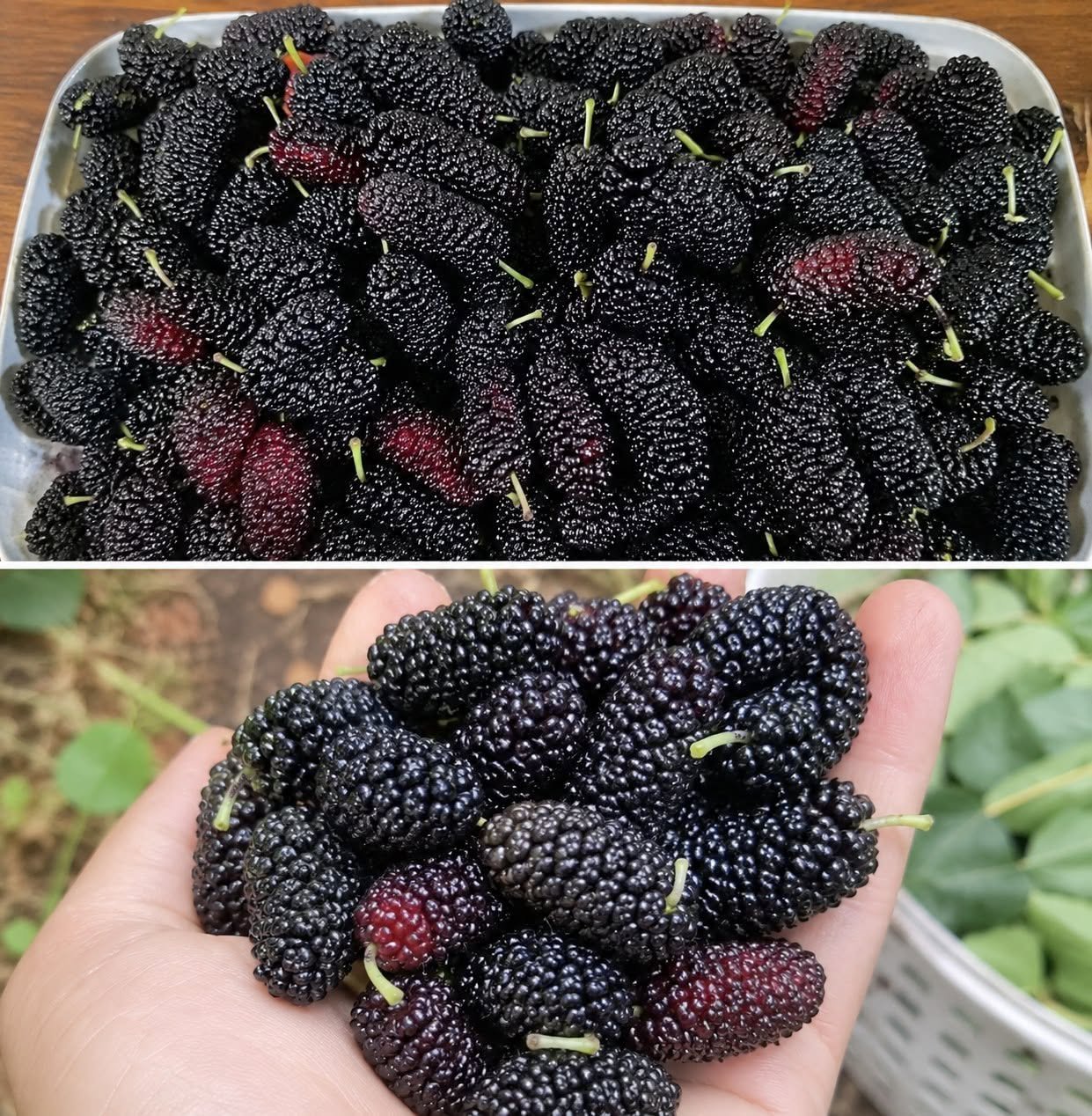
Most People Don’t Know This Fruit Exists—But It May Support Eye Health and Blood Pressure Naturally
When people think of healthy fruits, they often mention blueberries, oranges, or apples. But there is another lesser-known fruit that has gained attention among nutrition researchers for its impressive antioxidant content: the aronia berry.
Also known as the chokeberry, this small dark-colored fruit is packed with plant compounds that may support overall wellness, including eye health and cardiovascular health.
While no fruit can replace medical treatment or instantly lower blood pressure, adding antioxidant-rich foods like aronia berries to a balanced diet may contribute to better long-term health.
What Is the Aronia Berry?
Aronia berries are small, deep purple-black fruits native to North America and commonly grown in parts of Europe.
They are known for their:
Extremely high antioxidant content
Deep color from natural plant pigments
Tart, slightly astringent flavor
Nutrient-rich profile
Because of their strong flavor, aronia berries are often used in:
Smoothies
Juices
Jams
Teas
Dried fruit mixes
Nutritional products
1. Aronia Berries Are Rich in Antioxidants
One of the main reasons aronia berries attract scientific interest is their high level of polyphenols, especially anthocyanins.
These natural compounds give the fruit its dark color and help protect plants from environmental stress.
In the human body, antioxidants help combat oxidative stress, which occurs when there is an imbalance between free radicals and protective compounds.
A diet rich in colorful fruits and vegetables can support the body's natural defenses.
2. May Support Eye Health
Your eyes rely on nutrients and antioxidants to maintain normal function.
Aronia berries contain compounds such as:
Anthocyanins
Vitamin C
Plant polyphenols
These nutrients may help protect cells from oxidative stress, including cells involved in vision.
Anthocyanins are also found in other dark-colored fruits like blueberries and blackberries and have been studied for their potential role in supporting eye health.
3. May Help Support Healthy Blood Pressure
Maintaining healthy blood pressure is an important part of overall wellness.
Research has explored whether polyphenol-rich foods, including aronia berries, may support cardiovascular health.
Possible benefits may include:
Supporting healthy blood vessel function
Helping maintain normal circulation
Providing antioxidant protection
However, aronia berries should be viewed as part of a heart-healthy lifestyle—not a replacement for prescribed blood pressure medications.
4. Supports Heart Health
The heart benefits from a diet rich in fruits, vegetables, fiber, and antioxidants.
Aronia berries may contribute to heart health because they contain:
Polyphenols
Fiber
Potassium
Vitamin C
These nutrients work together with other healthy habits such as regular exercise and balanced eating.
5. May Support a Healthy Immune System
Aronia berries provide vitamin C and antioxidants that support normal immune function.
A strong immune system depends on many factors, including:
Adequate nutrition
Quality sleep
Physical activity
Stress management
No single food can prevent illness, but nutrient-rich fruits can be an important part of a healthy diet.
6. Helps Promote a Healthy Gut
Like many berries, aronia contains dietary fiber.
Fiber helps:
Support regular digestion
Feed beneficial gut bacteria
Improve feelings of fullness
A healthy gut microbiome is increasingly recognized as an important part of overall wellness.
How to Eat Aronia Berries
Because fresh aronia berries can taste quite tart, many people enjoy them combined with other foods.
Try adding aronia to:
Yogurt
Oatmeal
Smoothies
Homemade granola
Fruit salads
Baked goods
Aronia juice is another popular option, although it is important to choose products with minimal added sugar.
Aronia Berry vs. Blueberries: Which Is Healthier?
Both fruits are excellent choices.
Aronia berries:
Extremely high in anthocyanins
More tart flavor
Rich in polyphenols
Blueberries:
Sweeter taste
Excellent source of antioxidants
Easier to eat fresh
The healthiest choice is often variety—eating many different colorful fruits provides a wider range of nutrients.
Are Aronia Berries Safe?
For most people, aronia berries are considered safe when consumed as food.
Some people may experience digestive discomfort when consuming large amounts because of their high fiber and polyphenol content.
If you take medications, have a medical condition, or are considering concentrated supplements, consult a healthcare professional.
Other Dark Fruits That Support Wellness
Aronia berries are not the only antioxidant-rich fruit.
Other excellent choices include:
Blueberries
Blackberries
Raspberries
Cherries
Black grapes
Pomegranates
Acai berries
Including a variety of colorful fruits is one of the simplest ways to increase your intake of beneficial plant compounds.
The Bottom Line
The aronia berry may not be a household name yet, but this small, dark fruit has attracted attention because of its impressive antioxidant content and potential wellness benefits.
Rich in anthocyanins, vitamins, and fiber, aronia berries may help support eye health, heart health, healthy blood pressure, and overall nutrition when included as part of a balanced diet.
While no single fruit can guarantee better health, adding more colorful, nutrient-rich foods to your daily meals is a simple step toward supporting your body's natural wellness.
Continued on next page 👇(page 2)👇