If someone has a diagnosed magnesium deficiency, healthcare professionals typically recommend proven dietary sources or supplements rather than relying on baths.
Is It Safe to Take Every Morning?
Not necessarily.
Taking large amounts of Epsom salt by mouth can cause:
Diarrhea
Dehydration
Stomach cramps
Electrolyte imbalances
Serious complications in people with kidney disease
Using it daily without medical advice is not recommended.
Better Ways to Support Bone and Nerve Health
Instead of relying on viral miracle cures, experts generally recommend:
Eating a balanced diet rich in calcium and magnesium
Getting enough vitamin D
Exercising regularly
Maintaining a healthy weight
Sleeping well
Managing stress
Speaking with a healthcare professional about persistent pain or neurological symptoms
Frequently Asked Questions
Is Epsom salt a superfood?
No. Epsom salt is a mineral compound, not a food.
Can it cure anxiety or depression?
No reliable scientific evidence shows that consuming Epsom salt treats anxiety or depression. These conditions should be evaluated by a qualified healthcare professional.
Does it repair cartilage?
No. There is no evidence that Epsom salt regenerates cartilage or reverses joint degeneration.
Can everyone use it?
People with kidney disease, heart conditions, or certain other medical issues should consult a healthcare professional before using Epsom salt orally.
Final Thoughts
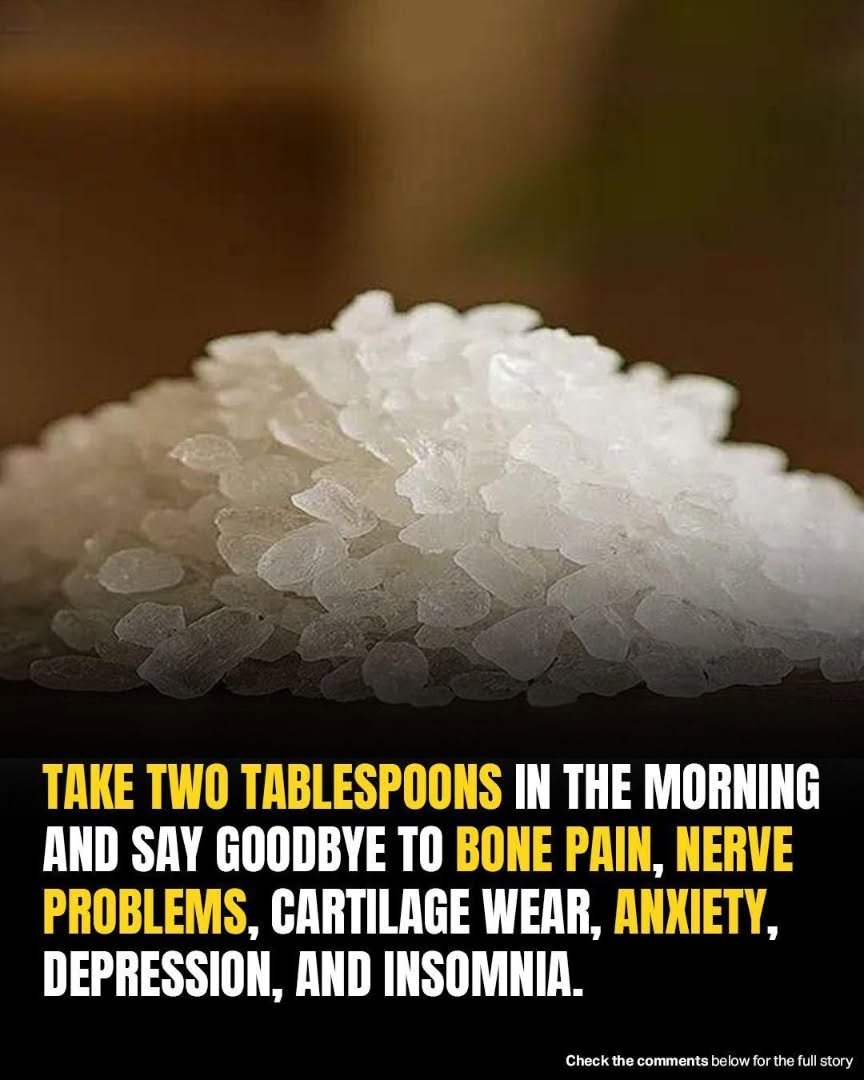
Epsom salt has legitimate uses, particularly as an occasional laxative under proper guidance and as an ingredient in relaxing baths. However, claims that two tablespoons every morning can eliminate bone pain, nerve problems, cartilage wear, anxiety, depression, and insomnia are not supported by current scientific evidence.
When it comes to your health, it's best to be cautious of "miracle cure" claims and rely on treatments backed by solid research.